
Blog
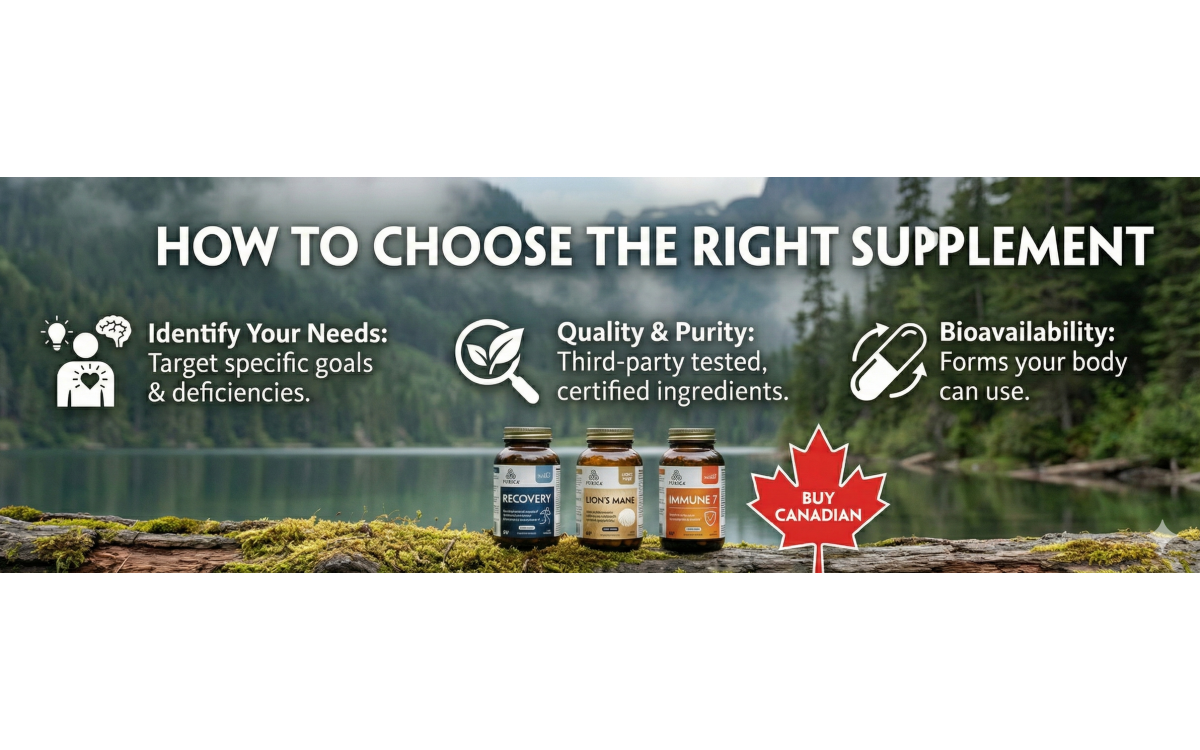
When it comes to improving your health, more people than ever are turning to supplements. But one of the most important truths consumers must understand is this:
Not all supplements are created equal.
From ingredient quality and dosage to transparency and manufacturing standards, there are major differences between products that may look similar on the surface. If you’re shopping for supplements at BuyCanadaFood.com, knowing how to evaluate quality can help you make informed, safe, and effective choices.
Below is a comprehensive guide to selecting high-quality supplements and understanding what truly matters beyond the marketing claims.
1. Understand That Price and Branding Don’t Equal Quality
Many consumers assume that:
Higher price = higher quality
Popular brand = better results
“Natural” label = safe and effective
Unfortunately, that’s not always true.
Two supplements can look almost identical on the outside but differ significantly in:
Ingredient sourcing
Dosage potency
Absorption form
Manufacturing practices
Purity and contamination testing
That’s why the first step is learning how to read and evaluate the Supplement Facts label.
2. Read the Supplement Facts Panel Carefully
The Supplement Facts panel is the most important part of any product. It tells you exactly what you're getting — and how much.
Here’s what to examine:
A. Serving Size
Always check:
Is the dosage based on 1 capsule? 2 capsules? 1 scoop?
Are you realistically going to take that amount daily?
Some brands make dosages appear stronger by spreading them across multiple servings.
B. Active Ingredient Amounts
Compare the listed dosage to:
Evidence-based research doses
Recommended dietary allowances (RDAs)
Upper safe intake limits
For example:
Vitamin D at 400 IU is very different from 2000 IU.
Magnesium oxide is not the same as magnesium glycinate in absorption.
A low price may simply reflect underdosing.
C. Ingredient Forms Matter
This is one of the biggest differences between low-quality and premium supplements.
Example comparisons:
| Lower Quality Form | Higher Quality Form |
|---|---|
| Magnesium oxide | Magnesium glycinate or citrate |
| Cyanocobalamin (B12) | Methylcobalamin |
| Folic acid | Methylfolate |
| Synthetic Vitamin E (dl-alpha) | Natural Vitamin E (d-alpha) |
Better forms are often more bioavailable — meaning your body can actually absorb and use them.
D. Proprietary Blends
Be cautious of “proprietary blends.”
If a supplement lists:
Proprietary Blend – 1000 mg
But does not break down individual ingredient amounts, you have no way of knowing how much of each ingredient you’re actually getting.
Transparency is a sign of quality.
3. Examine the Ingredient List (Not Just the Front Label)
The front label is marketing.
The back label is reality.
Turn the bottle around and look for:
Artificial colors
Hydrogenated oils
Excess fillers
Titanium dioxide
Unnecessary binders
High levels of sugar (in gummies)
While some excipients are necessary for capsule formation, cleaner formulas are generally preferable.
4. Look for Third-Party Testing and Certification
A reputable supplement company should use third-party testing to verify:
Potency
Purity
Absence of heavy metals
Absence of microbial contamination
Certifications to look for include:
NSF
GMP (Good Manufacturing Practices)
Non-GMO
Organic (if applicable)
In Canada, look for an NPN (Natural Product Number), which indicates Health Canada approval.
When shopping at BuyCanadaFood.com, verify that products meet Canadian regulatory standards.
5. Assess Manufacturing Quality
High-quality supplements are produced in facilities that follow strict GMP standards.
Questions to consider:
Is the product made in Canada or the USA under regulated conditions?
Does the company provide batch testing information?
Is there transparency about sourcing?
Companies that openly discuss their manufacturing practices are generally more trustworthy.
6. Check for Clinically Studied Ingredients
Some brands use trademarked, clinically researched ingredients. These often cost more but have stronger scientific backing.
Examples include:
Branded probiotics with identified strains
Patented turmeric extracts
Standardized herbal extracts
If an herb is included, look for:
Standardization percentage (e.g., 95% curcuminoids)
Extract ratio (e.g., 10:1)
Without standardization, potency can vary significantly.
7. Evaluate Bioavailability
Bioavailability refers to how well your body absorbs and utilizes a nutrient.
For example:
Curcumin is poorly absorbed without black pepper extract (piperine).
Fat-soluble vitamins (A, D, E, K) absorb better with dietary fat.
Iron bisglycinate absorbs better than iron sulfate.
A well-designed supplement considers absorption — not just ingredient quantity.
8. Avoid “Mega Dose” Marketing
More is not always better.
Extremely high doses:
May not increase benefits
Can cause side effects
May create nutrient imbalances
Quality brands aim for effective dosing — not shock value numbers.
9. Look at Expiration Dates and Storage Instructions
Freshness matters.
Check:
Expiry date
Storage conditions (cool, dry place)
Packaging quality (dark glass is better for light-sensitive nutrients)
Poor packaging can degrade sensitive vitamins over time.
10. Understand Your Personal Needs
The best supplement for someone else may not be right for you.
Consider:
Age
Gender
Diet
Medical conditions
Medications
Lab results
For example:
Vegetarians may need B12 supplementation.
Older adults may benefit from higher vitamin D.
Athletes may require more magnesium or protein.
Buying randomly based on trends can lead to unnecessary spending.
11. Beware of Overhyped Claims
Be cautious of supplements that promise:
“Cure all inflammation”
“Melt fat instantly”
“Boost immunity overnight”
“Detox your body completely”
Legitimate supplement companies avoid medical claims unless supported by evidence and allowed by regulation.
If it sounds too good to be true — it probably is.
12. Compare Cost Per Effective Dose
Instead of looking at bottle price, calculate:
Price ÷ Number of servings = Cost per serving
Then compare that to the actual active ingredient dose.
A cheaper bottle with low potency may cost more in the long run because you need double the capsules.
13. Research the Brand’s Reputation
Before purchasing:
Look for transparency on the company website
Read customer reviews
Check how long the company has been operating
Look for clear contact information
Reputable companies welcome questions and provide detailed product information.
When browsing BuyCanadaFood.com, take advantage of product descriptions and specifications to compare quality indicators.
14. Capsules vs Tablets vs Powders vs Gummies
Each form has pros and cons:
Capsules
Easier to digest
Fewer binders
Faster breakdown
Tablets
Often cheaper
May contain more fillers
Powders
Higher doses possible
Good for protein or collagen
Gummies
Easier to take
Often contain sugar
Lower potency
Quality is not just about format — but format can affect absorption and ingredient purity.
15. Pay Attention to Allergen Information
If you have sensitivities, check for:
Gluten
Dairy
Soy
Shellfish
Artificial sweeteners
A quality supplement clearly labels allergen status.
16. Consider Sustainability and Ethical Sourcing
More consumers are now evaluating:
Sustainable harvesting
Ethical labor practices
Eco-friendly packaging
High-quality brands often emphasize traceability and responsible sourcing.
17. Don’t Self-Diagnose Serious Conditions
Supplements are designed to support health — not replace medical treatment.
Always consult a healthcare professional before starting:
High-dose vitamins
Herbal blends
Supplements that may interact with medication
Responsible supplementation is informed supplementation.
Final Thoughts: Becoming an Educated Consumer
The supplement industry is massive — and growing. But with growth comes variation in quality.
Remember:
Labels matter more than marketing.
Ingredient form matters as much as dosage.
Transparency is a sign of integrity.
Third-party testing increases trust.
Price alone does not determine value.
Shopping at trusted retailers like BuyCanadaFood.com gives you access to a range of products, but the responsibility still lies with you to evaluate what you're putting into your body.
The most powerful thing you can do is educate yourself.
When you understand how to read supplement facts, compare ingredient forms, and identify quality markers, you protect your health and your wallet.
Because the truth is simple:
All supplements are not equal — but informed consumers can choose wisely.